Our Legacy
Jefferson Memorial M.E.C. — and the century that followed
When the time came to build the new church, Reverend James A. Fassett was the Pastor. The District Superintendent was John Jefferson. The people in the community along with the Pastor and Superintendent decided on the site of the new church, which is where it stands today.
Duncan Noble donated all the land except for one acre, which the people purchased. Pastor Fassett went to Berlin, Maryland to secure a loan from the bank; the new church would cost $4000.00 to build. Mr. John T. Wheatley was appointed treasurer and each member paid 25 cents a week on a loan amount of $14.00 per month.
The men of the community helped by cutting the trees. Mr. Solomon Henson, also known as "Patches," used his horses and cart to haul the trees from the woods and his old bus to take the wood to the lumber mill to be cut into lumber. Three men from Cambridge were hired to build the new church; they were Raymond Chase, Fred Giles and Henry Wilson.
The church was completed in April 1925. On April 20, 1925, a meeting was held at the new church, where they elected Alfred Keene, Matthew Ellis, John T. Wheatley, Moses Wilson, William H. Wilson, William Henson, William J. Keene, Solomon Henson and Fred Cornish as trustees. At that time, the name of the church was also changed to Jefferson Memorial Methodist Episcopal Church.
The first Sunday after the church was completed, the people of Smithville Road marched and sang from the site where Pleasant Grove once stood to their new church, Jefferson Memorial Methodist Episcopal Church. The marchers were James and Rella Sarah Fassett, Mr. & Mrs. John Jefferson, Charley & Annie Dunnock, William & Emma Wilson, Moses & Leila Wilson, Emily Brooks, Daniel & Rosetta Dunnock, Garfield & Rena Wheatley, John T. & Maggie Wheatley, John H. & Mable Wheatley, Alfred & Mary Eliz Keene, Robert & Mary Opher, Robert & Sophia Henson, Fred & Daisy Cornish, Matthew & Christy Ellis, John & Mary Jane Ellis, Billy & Addie Henson, Mitchell & Annie Cornish, Daniel & Amelia Keene, Millie Keene, Joseph & Sarah Hooper, Arthur & Lovie Dunnock, Goldsboro & Rosie Wilson, Solomon & Lelia Henson, Joseph & Sarah Opher, Martin & Rachel Bowley, Milton & Rachel Bailey and William & Willameania Keene.
After the families of Smithville Road marched and sang, the church was dedicated by Pastor James A. Fassett. In 1926, Articles of Incorporation were drawn up and entered in the official records. Those members listed in the act of incorporation were Alfred Keene, Matthew Ellis, John T. Wheatley, Moses Wilson, William H. Wilson, Solomon Henson, William J. Keene, William Henson and Fred Cornish.
The first wedding held in Jefferson Memorial Methodist Episcopal Church was Lee and Clara Jones. Their maid of honor was Irene Wilson. The first funeral held at the church was for Mary Opher Armstrong.
Organizations in the church were not very poplar during this time. The first auxiliary was the Ladies Aide. Leila Wilson was the president and members included, Emma Wilson, Mary Eliz Keene, Emily Brooks, Rosie Dunnock, Willameania Keene, Sophia Henson, Maggie Wheatley and Mable Wheatley. The singing and praying band was also in existence.
In 1946, The Pink Carnation Club was created. Florence Wilson was the first president, Rudell Kane was the secretary and Henrietta Lee gave the club its name. The dues were 5 cents a week. The Pink Carnation Club was an enormous source of support for the church. Their endless commitment gave way to the purchase of the church's hymnals, collection plates, the church chandelier, carpet, the cement walk and the installation of electricity. The Pink Carnation Club held fundraisers. The most popular fundraiser was their chicken dinners. Chicken dinners were sold for 75 cents.
In 1948, under the leadership of William Norwood (BoBo) Wilson, the church held a pageant. The pageant travelled to churches all over. The pageant did so well that they had to appoint a business manager and assistant business manager, Rudell Kane and Joseph Cornish respectfully.
After the pageant reign ended, BoBo Wilson formed a singing group in the early 1950's. The group was named the Juniors of Smithville. During that same time, the men of the church also formed a singing group, The Methodist Men. In the mid-1950's BoBo Wilson would go on to assemble The Wilson Singers. In the 1960's, the Lord led Henrietta Lee to bring the younger children of Smithville Road together to sing as an extension of the Wilson Singers. The group was called the Juniorettes.
The Smithville people prided themselves on loyalty to community. Even when they moved away or no longer lived on Smithville Road, their love and support never faltered. In 1959, James Albert Wilson along with John H. Wheatley, Solomon Henson and Horace Wilson gathered other family members that no longer lived in the community and formed the Home Fellowship Group. Initially, the group consisted of people who were from Smithville Road and their spouses but it didn't long before the group had friends that were eager to join and be a part of such a selfless cause.
The Home Fellowship Group was established to raise money for the upkeep of the church. Every year since 1959 on the first Sunday of November, which was the designated day for Homecoming at the church, the Home Fellowship Group would plan the program for that specific Sunday and present the church with a monetary offering from the fundraising events they had done throughout the year.
The Home Fellowship Group and the Pink Carnation Club had a loving and friendly competition each year to see who would raise the most money before Homecoming Day. Their love for community and church would be most instrumental in the growth of the church as well as the preservation of the church. Their vision was always to keep the legacy of the church first. This vision has been passed down through generations.
In 1971, a new fellowship hall was constructed and connected to the church with a seating capacity of approximately 125. Not to mention a modern and fully equipped kitchen, his and her lavatories and a pastor's study was also added. What's more, the pulpit was enlarged and new pulpit furniture was purchased. New pews were added to match the pulpit furniture in 1992.
Smithville Road was just next door to Taylors Island and the two communities always had a supportive, loving and good working relationship. In the late 1980's some members of Lanes' United Methodist Church moved their membership to Jefferson.
Through the dedication and commitment of family members and friends of Smithville Road, the church was self-sustaining for many years. The church was the pillar of the community. It was maintained and guarded with love.
In the early 2000's some of the neighboring African American churches were merged and Jefferson United Methodist Church was renamed and is currently New Revived United Methodist Church.
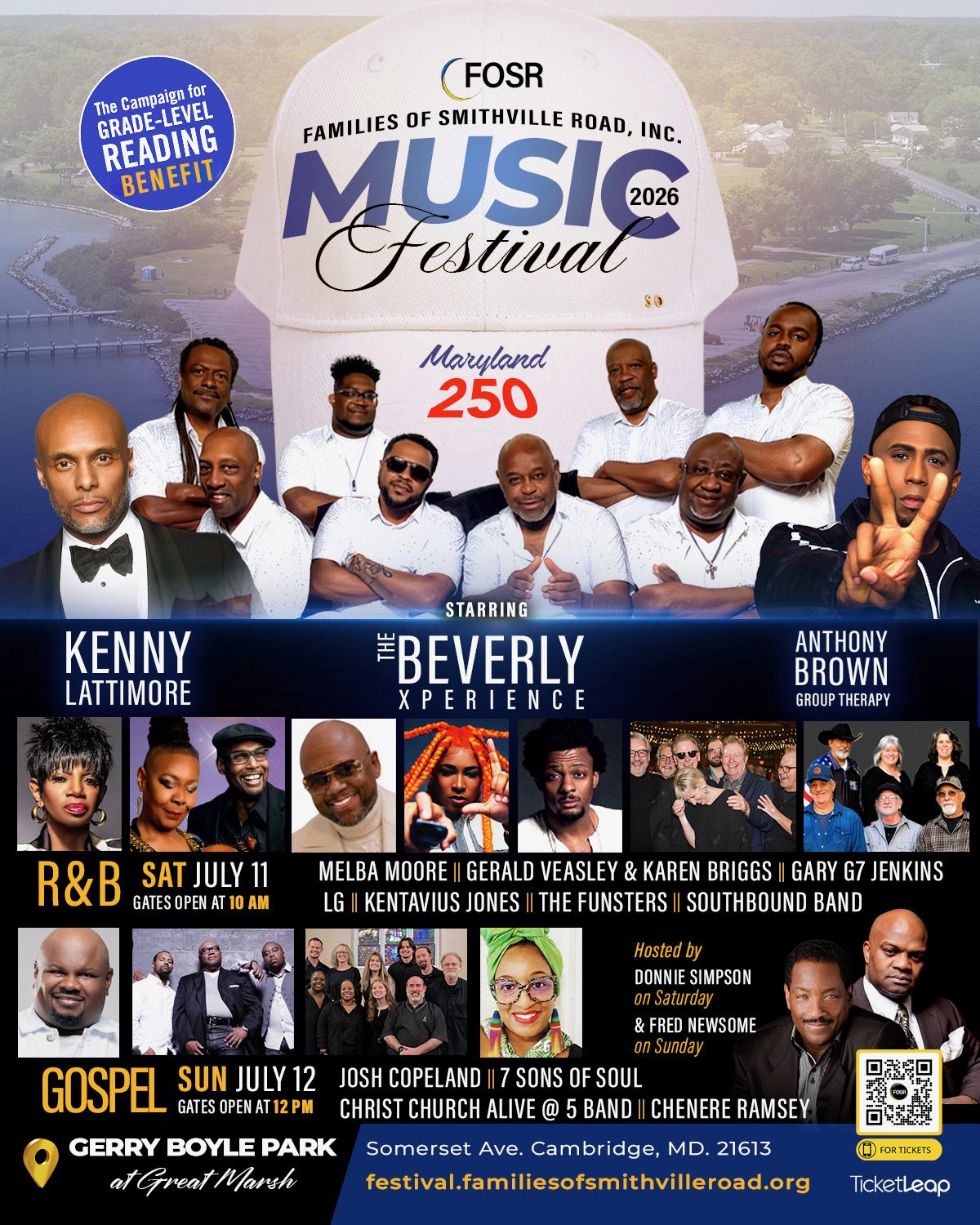
The Families of Smithville Road is indebted to our family members who worked to leave a lasting-legacy for us, that we carry with us to this very day. The many family members who have lived on Smithville Road are now spread across the globe. Nevertheless, wherever we are we will always feel the love and care that has marked our road for all these years.
The Families of Smithville Road, Inc. has inherited the charge of the Home Fellowship Group and the Pink Carnation Club, to be faithful to the legacy that our ancestors built for us. May the Lord continue to bless the church that He holds in the palm of His hands!
1876
Pleasant Grove congregation formed
1925
Jefferson Memorial completed — $4,000 to build
1946
Pink Carnation Club founded
1959
Home Fellowship Group formed
1971
New fellowship hall built
2000s
Renamed New Revived UMC